Health and Safety Policy for Lambeth Cleaners
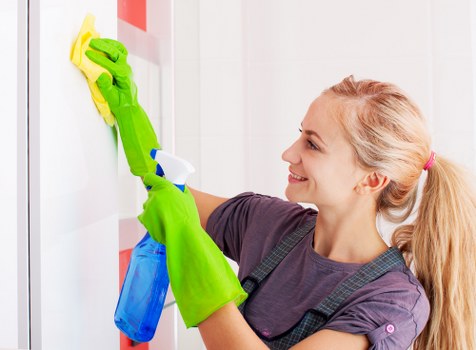 This health and safety policy sets out how Lambeth Cleaners protects employees, clients, visitors, and anyone affected by our cleaning activities. We are committed to providing a safe working environment, reducing risks, and making sure every task is carried out with care, competence, and respect. Our approach is based on clear responsibilities, sensible controls, and a culture where safety is treated as a priority rather than an afterthought.
Our policy applies to all cleaning operations, including routine domestic work, office cleaning, deep cleaning, and specialist tasks. It covers the use of equipment, cleaning chemicals, manual handling, slips and trips, and any situation where staff may be exposed to harm. We expect everyone involved in our work to follow safe systems, report concerns promptly, and support a workplace where prevention is central to daily practice.
 Lambeth Cleaners will review this policy regularly to ensure it remains effective, relevant, and in line with best practice. Safety checks, training, and supervision are used to help maintain high standards and reduce avoidable incidents. Where improvements are identified, we act quickly so that our working methods remain practical, effective, and safe.
Our Key Commitments
We will take reasonably practicable steps to protect health and safety at all times. This includes providing suitable equipment, maintaining safe working conditions, and ensuring that staff understand the risks associated with their duties. We aim to create a workplace where safe cleaning practices are embedded into routine work, not added as an extra burden. Everyone is expected to cooperate with safety procedures and use equipment only for its intended purpose.
All cleaning staff must receive appropriate induction and ongoing instruction for the tasks they carry out. This includes the correct use of mops, vacuums, cloths, ladders, and any other equipment needed for the job. Where chemicals are used, staff must follow labels, dilution instructions, and handling controls carefully. We believe that informed workers are safer workers, and that good training supports both quality and wellbeing.
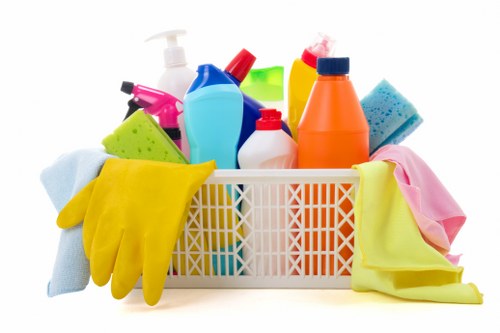 Risk assessment is central to our cleaning health and safety arrangements. Before work begins, we consider the environment, the surfaces being cleaned, any likely hazards, and how people may be affected. By identifying risks early, we can put the right measures in place, such as warning signs, segregation, ventilation, or changes to working methods. This helps us reduce accidents and keep work organised and controlled.
Safe Working Practices
Manual handling is one of the most common causes of injury in cleaning work, so we take steps to reduce strain wherever possible. Staff are encouraged to use proper lifting techniques, avoid unnecessary repetition, and split heavier loads into smaller amounts. Equipment should be positioned sensibly to reduce carrying distances, and team members should ask for help when a task is awkward, heavy, or beyond safe limits. Careful planning can prevent many avoidable injuries.
Slips, trips, and falls are a serious concern in cleaning environments, especially where floors are wet, cluttered, or uneven. We minimise these risks by using warning signage, keeping walkways clear, and ensuring that cleaned areas are left safe and accessible. When working at height is necessary, only suitable equipment should be used, and staff must not improvise with unstable furniture or unsafe methods. Good housekeeping remains a vital part of our safety approach.
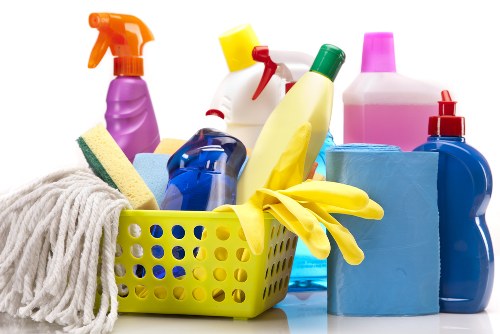 Cleaning chemicals must be stored, handled, and disposed of responsibly. Staff should never mix products unless this is specifically permitted, and any spills should be dealt with quickly and safely. Personal protective equipment, such as gloves or eye protection, must be worn where needed and maintained in good condition. We also make sure that ventilation is considered when using products that may produce strong fumes or irritation. Responsible chemical use protects both workers and building occupants.
Responsibilities and Reporting
Managers and supervisors are responsible for implementing this policy, providing instruction, and making sure standards are followed. They must monitor working practices, address unsafe behaviour, and support staff in raising concerns. Employees are responsible for following training, using protective equipment correctly, and reporting hazards, defects, or incidents without delay. Safety works best when everyone understands their role and acts promptly when something is wrong.
Any accident, near miss, or unsafe condition must be reported as soon as possible so that action can be taken. We encourage open reporting because near misses often reveal issues before a real injury occurs. Records are kept where appropriate to help identify patterns and improve controls. If a serious issue is found, work may be paused until the hazard has been addressed and the area made safe.
Emergency Preparedness and Review
 In an emergency, staff must follow the instructions provided for the site they are working in and act calmly and responsibly. This may include leaving the area, alerting others, or contacting the appropriate emergency services where required. We expect all cleaners to be familiar with basic emergency arrangements, including fire procedures, first aid awareness, and any site-specific safety rules. Quick, clear action can reduce harm and protect everyone nearby.
This policy is reviewed periodically and updated when working methods, equipment, or risk levels change. We also consider lessons learned from incidents, training, and supervision so that our systems remain effective. Lambeth Cleaners is committed to continuous improvement and to maintaining a workplace where safety, respect, and professionalism go hand in hand. By following this policy, we help ensure that our cleaning services are delivered to a high standard while protecting the wellbeing of all involved.