Access problems for Lambeth cleaners: narrow stairs tips that actually help
Access problems for Lambeth cleaners narrow stairs tips might sound like a niche issue, but if you live in a Victorian terrace, a converted flat, or a maisonette with a tight turn halfway up the stairs, you already know how real it is. The wrong vacuum, a bulky carpet machine, or even a bucket that is just a bit too wide can slow everything down. Sometimes it's not the cleaning itself that causes the stress, it's simply getting the kit into the property without scratching the paintwork or banging a rail.
This guide is written for exactly that situation. You'll find practical ways to prepare a narrow staircase, reduce access issues, avoid common mistakes, and understand what a good cleaning team will usually do before they arrive. We'll also cover when access problems matter most, what to tell the cleaners in advance, and how to make the job smoother for everyone. To be fair, a little planning goes a long way here.
Why Access problems for Lambeth cleaners narrow stairs tips Matters
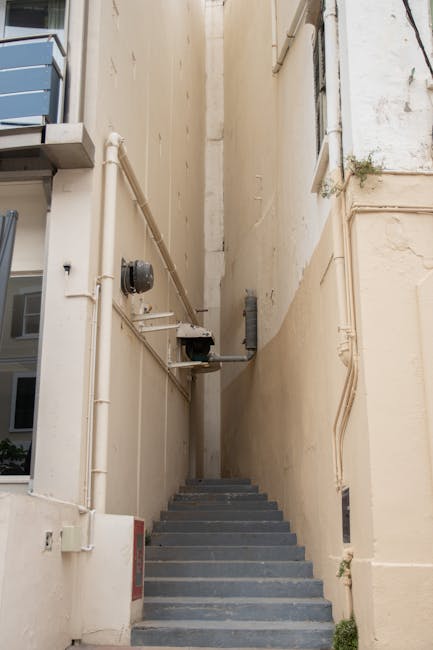
Narrow stairs change the whole rhythm of a cleaning appointment. A cleaner can be fully prepared, fully insured, and still lose time if a machine cannot turn a corner, a hose catches on a banister, or a shoe tray blocks the landing. In older Lambeth homes, this is especially common where staircases were built before modern equipment was designed. You will notice the difference most in properties with steep steps, split landings, low ceilings, or awkward loft conversions.
Why does this matter so much? Because access problems affect three things at once: safety, finish quality, and timing. If the team has to carry heavy equipment in stages, the job may take longer. If they rush, there's a higher risk of marks on walls, damp carpets left in a walkway, or a hurried result. And if there is no clear plan from the start, you end up dealing with avoidable back-and-forth on the day. Nobody wants that. Not the customer, not the cleaner, and certainly not the poor person trying to pivot a shampoo machine on a tight stair turn.
There's also a trust angle. When a cleaning company asks good access questions before arrival, it usually signals a more professional approach overall. That's one reason detailed service pages such as the health and safety policy, insurance and safety information, and the accessibility statement matter to customers who want reassurance before booking.
How Access problems for Lambeth cleaners narrow stairs tips Works
At a practical level, dealing with narrow-stair access is about reducing friction before the visit begins. The cleaner needs enough information to decide what equipment to bring, how to carry it, whether parking or street access will affect loading, and whether the job should be split into stages. That is the short version. The longer version is about planning the route from the front door to the cleaning area as if it were part of the job itself, because, frankly, it is.
A well-run cleaning appointment usually follows a simple flow:
- The customer explains the access issue clearly, including stair width, turns, and any low rails or tight hallways.
- The cleaner checks whether the requested service can be done safely with standard equipment.
- If needed, the team adjusts the setup, brings lighter tools, or recommends a different approach.
- On arrival, the cleaner confirms the route and protects floors, walls, and corners before moving anything upstairs.
- The job is completed with the smallest practical amount of disruption.
This is where the most useful narrow-stairs tip comes in: tell the cleaner what is difficult, not just what the room is called. Saying "top floor bedroom" is fine, but saying "steep stairs with a sharp turn halfway up and no space to rest a machine" is much better. The difference sounds small, but it can completely change how the job is planned.
If you are booking broader home care rather than one single task, pages like domestic cleaning, house cleaning, and home cleaners are useful places to understand the service context. For bigger or more involved visits, deep cleaning and one-off cleaning often need the most access planning because the kit and time requirements are a bit heavier.
Key Benefits and Practical Advantages
Getting the access plan right is not just about avoiding annoyance. It creates real practical advantages.
- Less risk of damage: narrow stair edges, paintwork, and bannisters are less likely to get scuffed if the route is planned properly.
- Smoother arrival: the cleaner can come in knowing exactly what to expect, which saves time at the door.
- Better results: the team can focus on cleaning instead of improvising around a staircase that was never meant for bulky kit.
- Lower stress for the customer: you're not left wondering whether the job will even fit through the hall.
- Safer working conditions: carrying equipment up tight steps is one of those tasks that looks easy until you do it. Planning helps reduce strain and slips.
There is another quiet benefit too: clearer expectations. When access is discussed early, you are less likely to have the awkward moment where a cleaner arrives and discovers the machine won't fit. That moment always feels longer than it is. A small pause. A glance at the stairs. A polite "we may need to rethink this." Better to avoid it.
If the work is connected to a landlord check-out or move-out deadline, access planning becomes even more valuable. In those cases, end of tenancy cleaning often needs a very tight schedule, and the last thing you want is an access issue eating into the time left for the rest of the property. For heavy-duty post-refurb jobs, after builders cleaning can also be more access-sensitive because of dust control, protective coverings, and bulkier equipment.
Who This Is For and When It Makes Sense
This topic matters to more people than you might think. If your property has narrow stairs, a steep hallway, a split-level layout, or a tricky turn near the top, you are in the target group. So are landlords, letting agents, office managers, and anyone booking regular visits in older buildings across Lambeth.
It makes the most sense when you are dealing with one of these situations:
- A house or flat with a tight internal staircase
- Carpet or upholstery work that requires larger equipment
- Top-floor rooms with no lift access
- Properties with fragile walls, painted corners, or narrow landings
- Shared entrances where there is limited space to stage tools
- Bookings where time matters, such as tenancy handovers or end-of-week office cleans
It also matters if the property has awkward access outside the stairs, not just inside them. For example, a cleaner might have to carry items from the pavement through a tight front hall, around a coat rack, then up the stairs. That extra bottleneck can be just as awkward as the stairwell itself.
For business settings, the same thinking applies on a larger scale. office cleaning and office cleaners often need access notes for stairwells, corridors, and storage spaces, especially in smaller converted buildings. If cleaning is happening in a mixed-use property, the cleaner may need to work around clients, deliveries, or shared entrance times. Not ideal, but manageable with the right heads-up.
Step-by-Step Guidance
Here's a practical way to handle narrow-stair access before the cleaner arrives.
- Measure the tight spots. You do not need to become a surveyor. Just note the narrowest point, any hard corners, and whether there is enough room to turn a machine.
- Describe the route in plain English. Mention where the stairs start, whether there is a turn, and if any doors open into the staircase.
- Clear the path. Move shoes, umbrellas, prams, storage boxes, and loose items out of the way. Even a small mat can trip someone up if the stairs are tight.
- Protect the edges. If your home is prone to scuffs, put temporary protection on corners or at least flag the fragile areas before the cleaner begins.
- Check parking and entry. If the cleaner needs to carry equipment a long way from the vehicle, say so in advance. It sounds minor, but it matters.
- Confirm the equipment plan. Ask whether the service can be done with lighter or more compact tools. Sometimes the answer is simply yes; sometimes the method needs adjusting.
- Keep someone available at the start. A quick walk-through on arrival is often enough to prevent confusion for the rest of the job.
If the task involves carpets, rugs, or fabric furniture, make sure you mention that specifically. It helps the team decide whether to bring compact gear or whether another approach will be more efficient. For some homes, carpet cleaning, rug cleaning, and upholstery cleaning are all perfectly doable, but the access route has to suit the machine size. A cleaner can be excellent at their job and still lose a few minutes to a staircase that seems designed by someone with a grudge against vacuum cleaners.
Expert Tips for Better Results
These are the kinds of small things that make a big difference in real homes.
- Use photos when possible. A quick picture of the stairs, the turn, and the landing is often more useful than a long description.
- Be honest about the awkward bit. If there is one step that squeaks, one corner that is very tight, or a bannister that is loose, say it.
- Choose the right service scope. Sometimes a full heavy-duty clean is not the best fit for a property with difficult access. A lighter visit may be smarter.
- Make the landing a staging point. If there is a safe place to rest equipment briefly, that can help the cleaner manage the job more comfortably.
- Keep pets and children away from the route. Tight stairs are bad enough without someone darting past carrying a machine and a bucket. Let's face it, that never ends well.
One experienced habit is to think in terms of "movement", not just "cleaning". How many times does the cleaner need to go up and down? Where can supplies be set down? Is there enough room to open a door without blocking the stairs? Once you look at it that way, the whole job becomes easier to picture.
Another useful tip: ask about the company's broader working standards. A good team should be able to explain how they handle hazards, protect property, and manage awkward access. That is often reflected in pages like about us and the cleaning company overview, where you can get a feel for how seriously they take service quality and customer care.
Common Mistakes to Avoid
Most access problems are not dramatic. They are just under-described. Still, a few mistakes keep cropping up.
- Assuming the cleaner will "figure it out". They might, but that is not the same as a smooth job.
- Forgetting the internal route. Customers often mention the front door but forget the narrow second-floor turn, which is where the issue really starts.
- Booking a service without checking equipment fit. A compact domestic vacuum and a larger wet machine are not remotely the same thing.
- Leaving clutter on the stairs. The path may look clear enough to you, but carrying tools changes what counts as "clear".
- Not allowing extra time. A tight stairwell rarely speeds things up.
A subtler mistake is not warning the cleaner about other access limitations, like a very heavy front door, shared hall restrictions, or a lift that is out of service. These things can be just as important as stair width. A job can feel "simple" on paper and then become awkward at the door. Happens more than people expect.
If you want to reduce the chance of mix-ups, take a moment to review the company's terms and conditions and practical service information such as pricing and quotes. The more transparent the booking process, the easier it is to manage access-related expectations in a calm way.
Tools, Resources and Recommendations
You do not need specialist gear to make access better, but a few simple things help.
- Phone photos or a short video: best for showing turns, height restrictions, and landing space.
- Measuring tape: useful if you want to check the width of a stairwell or doorway.
- Floor protection: especially sensible where stairs are painted, polished, or easily marked.
- Storage baskets or a cleared staging area: helps avoid clutter during the visit.
- Simple written notes: a line or two about parking, the buzzer, and stair access can save a lot of guessing.
From a service perspective, it also helps to choose the right cleaning type. A small staircase and a one-room task may be fine for a standard visit. But if you're dealing with a larger property or a very detailed job, then services like deep cleaning or one-off cleaning may need a more careful access discussion before anything is scheduled.
If the property has hard flooring as well as stairs, mention that too. In some homes the cleaner may need to switch between stairs, hard floors, and fabric surfaces. That is where hard floor cleaning becomes relevant, especially if the route includes delicate surfaces that need protecting while equipment is moved.
Law, Compliance, Standards, or Best Practice
For this topic, the most relevant point is not a single law or rule, but the general duty to work safely and responsibly. In the UK, professional cleaning is expected to follow sensible health and safety practice, use equipment properly, and avoid placing workers or residents at unnecessary risk. That includes access planning when stairs are narrow, steep, or awkward.
In plain terms, best practice usually means:
- spotting hazards before work starts
- using the right equipment for the space
- not forcing bulky kit through a route that is too tight
- protecting walls, floors, and stair edges
- communicating clearly if the job needs adjusting
It is also normal for a responsible cleaning company to have straightforward policies around safety, complaints, privacy, and payment. Those pages exist for a reason. They help show that the company is thinking about the job as a whole, not just the visible cleaning part. If a customer wants reassurance, reviewing health and safety policy details, insurance and safety information, and the complaints procedure can be a sensible step.
There is one more good practice point: accessibility. If a customer or resident has mobility needs, then the cleaner should be careful not to block passageways, leave equipment in escape routes, or create trip hazards. That sounds obvious, but in a busy home it can get forgotten quickly. Better to keep the route clear from the start.
Options, Methods, or Comparison Table
There is no single right way to deal with narrow stairs. The best approach depends on the space, the service, and how much equipment is needed. Here's a simple comparison.
| Approach | Best for | Pros | Trade-offs |
|---|---|---|---|
| Standard equipment with careful carry-in | Moderately tight stairs and lighter jobs | Fast, simple, usually cost-effective | Not ideal for very tight turns or bulky machines |
| Compact or lighter tools | Older homes, small flats, narrow landings | Easier movement, less risk of knocks | May not suit every cleaning task |
| Staged access planning | Multi-room or full-property cleans | Reduces confusion and wasted trips | Needs more communication beforehand |
| Alternative service scope | Very restrictive access or heavy equipment needs | Can be more realistic and safer | May not cover every requested task |
In practice, the best option is usually the one that fits the property without pushing the staircase beyond what it can reasonably handle. A cleaner who says, "This will be fine, but I'd rather bring the smaller unit," is not being difficult. They are being sensible. And sensible is good.
Case Study or Real-World Example
Here's a realistic example from the sort of situation people in Lambeth run into all the time.
A customer in a converted upper-floor flat booked a full carpet clean for two bedrooms and a hallway. The staircase was narrow, with a turn halfway up and a small landing that barely held one person and a vacuum at the same time. On the first enquiry, the customer simply said "top floor flat". That would have been too vague. After a follow-up message, they sent a couple of photos and added one very helpful detail: the stair turn was tight enough that a larger machine might struggle.
The cleaner adjusted the plan, brought more compact kit, protected the stair edges, and staged the job carefully. The result was straightforward: no awkward dragging, no unnecessary wall contact, and no panic halfway through. The customer was relieved, the cleaner was not wrestling with the staircase, and the job finished without that slightly frazzled end you sometimes get when access is left to chance.
The big lesson? The property itself was never the problem. The problem was the gap between what the customer knew and what the cleaner could see before arriving. Once that gap was closed, everything became easier.
That is why access notes matter for all sorts of services, not just carpets. It can be just as useful for sofa cleaning, oven cleaning, and even smaller recurring tasks such as professional cleaners visiting regularly. Tight access changes how every job is approached, even when the work itself is simple.
Practical Checklist
Use this quick checklist before the cleaner arrives:
- Have you described the narrowest part of the stairs?
- Have you mentioned any turns, low ceilings, or awkward landings?
- Are the stairs and hallway free of shoes, bags, and boxes?
- Have you told the cleaner about parking or long carry distances?
- Do you know whether the chosen service needs bulky equipment?
- Have you flagged delicate walls, railings, or painted corners?
- Have you shared photos if the access is particularly tricky?
- Is someone available to answer questions at the start of the visit?
- Have you checked the booking details and service scope carefully?
- Do you have a backup plan if the route is tighter than expected?
That's the whole game, really. A clear route, a realistic plan, and a little honesty up front. Nothing fancy.
Get a free quote today and see how much you can save.
Conclusion
Access problems for Lambeth cleaners narrow stairs tips are really about one thing: making the visit workable before anyone carries a single bucket upstairs. If you live in a home with a tight stairwell, planning is not extra admin, it is part of the job. Once the route is clear, the service becomes safer, calmer, and usually better value too.
The most effective approach is simple. Describe the stairs clearly, share photos if needed, clear the pathway, and choose a cleaning method that suits the property rather than fighting it. That little bit of thought can save time, protect your home, and remove a lot of the day-of stress. Not bad for a few minutes of preparation.
If you've ever stood at the bottom of a narrow staircase with a cleaner and both of you thinking, "Right... how on earth is this going to work?", you're not alone. With the right plan, it usually works just fine. And that is the reassuring bit.
Frequently Asked Questions
How do I explain narrow stairs to a cleaner?
Keep it practical. Mention the tightest point, any sharp turns, whether there is a landing, and if large equipment might struggle. Photos help a lot.
Can cleaners bring equipment upstairs on narrow stairs?
Often yes, but it depends on the size of the equipment and the staircase layout. A compact machine is much easier to manage than bulky kit.
What should I clear before a cleaner arrives?
Remove shoes, coats, boxes, prams, and anything else sitting on the stairs or landing. The route should feel wider than it looks, because carrying equipment changes the space needed.
Will narrow stairs make the cleaning more expensive?
Sometimes access difficulties can affect the quote if they add time or limit equipment options, but that depends on the company and the job. It is best to ask during booking rather than assume.
What if my flat is on the top floor with no lift?
That is common in London properties. Just say so clearly when booking. It helps the cleaner plan the route and decide what equipment to bring.
Is it better to send photos of the stairs?
Yes, if the access is tricky. A photo or short video is often the quickest way to avoid misunderstandings and equipment issues.
What cleaning services are most affected by narrow stairs?
Services that involve heavier or bulkier equipment are usually most affected, such as carpet cleaning, deep cleaning, and some after-builders jobs. Lighter visits may be less of an issue.
How can I protect painted walls and bannisters?
Clear the staircase, warn the cleaner about fragile areas, and consider temporary protection on corners if the access is especially tight. Good handling matters as much as the equipment itself.
What happens if the cleaner cannot fit the equipment upstairs?
A good cleaner will usually talk through options rather than forcing the issue. They may adjust the method, use different tools, or advise that the job scope needs changing.
Do office jobs have the same access issues?
Yes, sometimes even more so. Smaller stairwells, shared entrances, and busy corridors can create similar challenges for office cleaning and other workplace visits.
How far in advance should I mention access problems?
As early as possible. The best time is before the booking is confirmed, especially if the stairway is very narrow or the property has unusual access features.
Where can I check safety and company information before booking?
Useful starting points are the company's about page, health and safety policy, insurance information, accessibility statement, and pricing pages. Those pages help set expectations and build confidence before the visit.